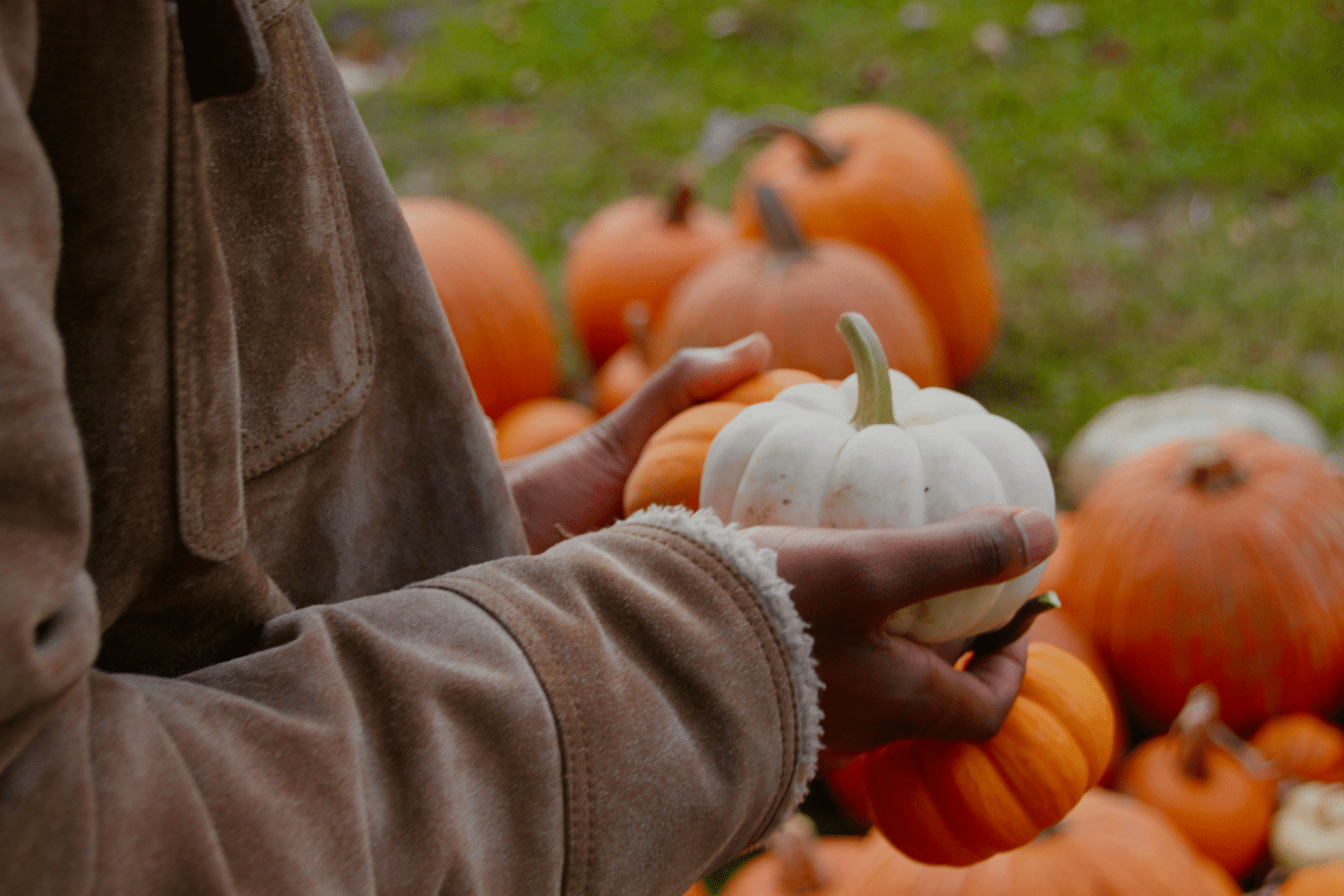
From smaller pumpkins to cancelled picking events, the summer heatwave has left its mark on Britain’s pumpkin growers. But some farms have found ways to keep the Halloween tradition alive.
Every autumn, families across Britain pull on their wellies and head to their local pumpkin patch. What was once simply another crop grown on farmland has become a much-loved seasonal tradition, with pumpkin picking, maize mazes and autumn activities attracting visitors to farms across the country.
But behind the colourful displays and perfect pumpkin photos, 2026 has been a particularly challenging year for growers. Following the UK’s hottest summer on record, with prolonged heatwaves and drought affecting many regions, some farmers have struggled to produce enough pumpkins for their usual Halloween attractions.
So, how have Britain’s pumpkin patches coped, and what does this mean for the future of this increasingly popular form of farm diversification?
Why did the heatwave affect pumpkins?
Pumpkins might be associated with autumn, but their growing season begins much earlier in the year. Typically planted in late spring, pumpkin crops rely on warmth, sunlight and sufficient moisture to develop throughout the summer before being harvested in autumn.
Although pumpkins enjoy warm conditions, prolonged periods of extreme heat and limited rainfall can affect flowering, pollination and fruit development. This summer’s drought left some growers with fewer pumpkins, smaller fruit and increased irrigation costs. Others found that their crops matured earlier than expected.
For farms that rely on pumpkin picking as an additional source of income, the consequences have extended well beyond the field.
Suffolk: When there wasn’t enough water for pumpkins and sheep
At Ruffins Farm near Bury St Edmunds, Suffolk, farmers Andrew King and Liz Paterson experienced one of their most difficult growing seasons.
The farm usually produces around 10,000 pumpkins, but only approximately 50 developed successfully this year.
With 500 breeding ewes also needing water, the farmers faced a difficult decision about where to direct their limited resources. Speaking to RTÉ News, Liz Paterson explained:
“The pumpkins just didn’t grow this year.”
The drought affected both the pumpkin crop and the grass needed to feed their sheep, creating financial and emotional pressure for the family business.
The farm was unable to open its usual pumpkin-picking attraction this autumn.
Their experience highlights an important reality of farm diversification; although additional enterprises can provide valuable income, they are often exposed to the same unpredictable weather conditions as the farm’s main agricultural activities.
Source: RTÉ News – Summer drought impacts UK pumpkin crops ahead of Halloween, 17 October 2026
Another Suffolk Farm found a solution in stored water
Just a short distance away, Frog’s Farm in Thwaite, near Eye, experienced a very different outcome. Farmer Freddy Vaudrey credited the farm’s reservoir with helping protect its pumpkin crop through the hot, dry summer.
The reservoir stores surplus water collected during winter, allowing the farm to irrigate crops when rainfall is limited. Speaking to the BBC, Freddy explained:
“Without the reservoir we wouldn’t have been able to produce such a lovely crop.”
The farm reported approximately 50,000 pumpkins across seven acres, allowing its pumpkin-picking attraction to continue despite the challenging weather.
It’s a fascinating example of how investment in water storage and irrigation can make a significant difference to agricultural businesses.
However, reservoirs are expensive to construct and maintain, and not every farm has suitable land, funding or access to water.
Source: BBC News – Farmer credits reservoir for pumpkin crop success, 24 September 2026
Devon: Why Soil Type Made a Difference
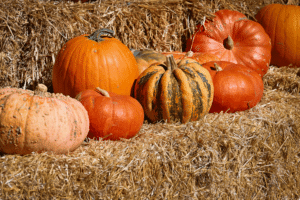
Not every pumpkin grower experienced the same difficulties. In Devon, Neil ‘Pip’ Hawken of Pips Pick Your Own in Yealmpton struggled to produce enough pumpkins and needed to bring in additional supplies.
However, at Strawberry Fields in Lifton, near the Devon/Cornwall border, the farm’s clay-heavy soil helped retain moisture during the dry conditions. This helped the business produce enough pumpkins for its autumn Pumpkin Fest attraction.
It’s a useful reminder that neighbouring farms can experience very different outcomes during the same weather event. Soil type, irrigation, rainfall, crop variety and growing practices can all influence how well crops cope with prolonged dry weather.
Source: BBC News – Pumpkin farmers have mixed harvest, 25 September 2026
More Than Pumpkins: Why picking patches matter to Farmers
Pumpkin patches have become an increasingly popular example of farm diversification, where farmers develop additional enterprises alongside traditional agricultural production.
For some farms, opening their gates to the public creates opportunities to earn income through pumpkin sales, food and drink, seasonal activities and family experiences. These events also offer something less easily measured: the opportunity to connect people with farming.
Children can see where pumpkins grow, families can spend time outdoors, and visitors can meet the people producing their food. But this year’s difficult growing season demonstrates that diversification is not without risk.
A failed pumpkin crop can mean lost income from both produce and visitors, particularly when farms have already invested in preparing their attractions.
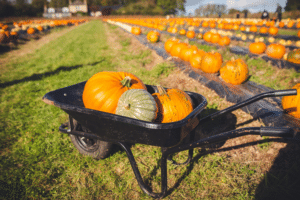
What does the future hold?
The experiences of British growers this year raise important questions about how farms can adapt to increasingly unpredictable weather. Some growers may explore irrigation and water storage, while others might reconsider the crops they grow or the activities they offer visitors.
For smaller farms, however, the costs of these adaptations can be difficult to justify. There is no single solution, and what works for one farm may not be practical for another. What is clear is that behind every pumpkin patch is a farming business balancing growing conditions, costs and the uncertainty of the British weather. Watch this clip from BBC news on 28th October 2026 where they do into greater detail:
How can we support pumpkin growers?
If you’re planning a pumpkin-picking trip this Halloween, visiting a local farm can be a lovely way to support a rural business. And remember, pumpkins don’t have to be perfectly round or enormous to be enjoyed! Smaller pumpkins can make wonderful decorations, while edible varieties can be used in soups, curries, roasted dishes and baking.
This Halloween, spare a thought for the farmers who have spent months growing the pumpkins that help make autumn so special!
Behind every pumpkin is a farmer, a growing season and a story worth sharing!