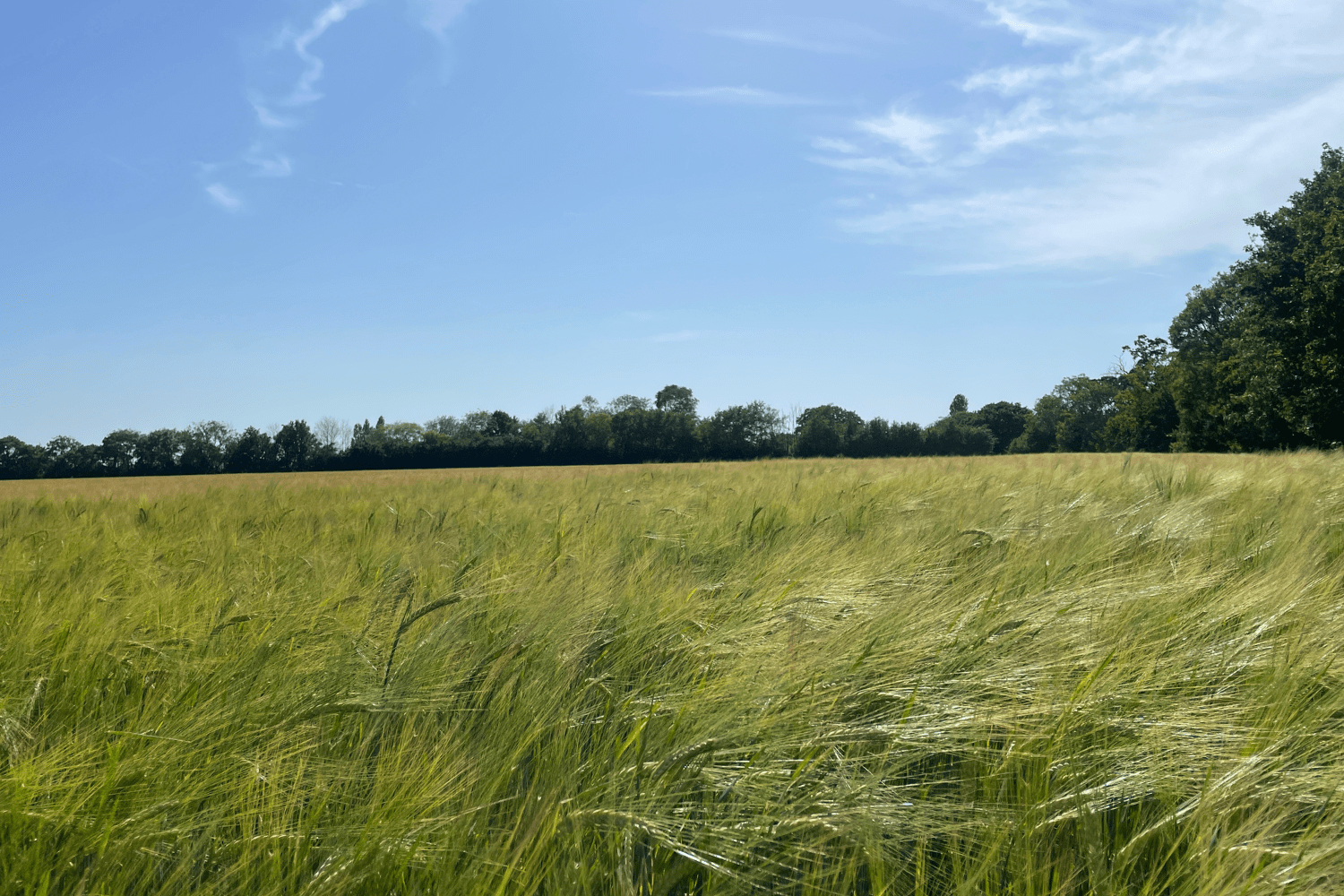
As much of the UK experiences another summer heatwave, many of us are reaching for ice creams, finding shade and enjoying the sunshine. But for farmers, hot weather brings a different set of challenges.
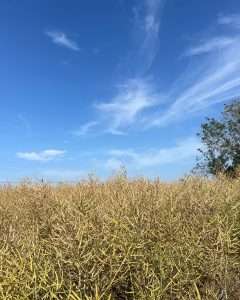
Across the countryside, this time is often described as the calm before the storm. Arable harvest is just around the corner, combines are being serviced, grain stores cleaned, and machinery prepared, ready to go! Fields that were lush green just a few weeks ago are now turning golden as crops naturally begin to ripen – a process known as senescence. For many farmers, harvest could arrive earlier than usual this year.
An Early Harvest?
Warm, dry weather helps cereals such as wheat and barley mature more quickly. Many crops across the UK are already changing colour and drying down, meaning combines could start rolling into fields sooner than expected.
While an early harvest can be beneficial if it avoids wet weather later in the summer, prolonged periods of heat and drought can also put crops under stress. If crops run short of moisture during key stages of development, yields may be reduced because grain size can be affected and quality may vary from field to field.
For now, farmers are keeping a close eye on their crops and hoping conditions remain favourable as harvest approaches.
Looking After Livestock
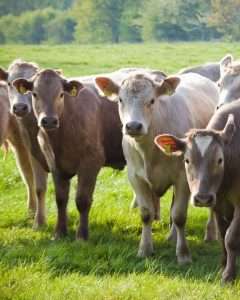
Heatwaves can be just as challenging for livestock. Just like people, animals can suffer from heat stress when temperatures rise. Farmers work hard to make sure livestock remain comfortable by providing:
🌳 Shade in fields
💧 Constant access to clean, fresh water
🌬️ Good ventilation in sheds and housing
🐄 Adjustments to handling and transport during the hottest parts of the day
In fact, some livestock markets have taken the decision to close or reduce activity during the hottest days of the heatwave to protect animal welfare. Dairy farmers may also see cows producing less milk during periods of extreme heat, as animals naturally eat less and use more energy to keep cool.
Farming around the Weather
Weather has always played a major role in farming, but recent years have seen more extremes. Farmers are increasingly having to adapt to periods of intense rainfall followed by long dry spells and heatwaves. Many are investing in healthier soils, improved water management and more resilient farming practices to help cope with changing weather patterns. Check this video by Harry’s Farm who talks about his visit to the Cereals event, new drone technology amongst plenty of other interesting things!
The calm before Harvest
For arable farmers, there is a sense of anticipation in the air. Fields are turning from green to gold – grain is ripening – machinery is being checked and prepared. Soon, the countryside will be filled with combines, tractors, trailers and long days bringing in the year’s harvest.
For now, farmers are watching the weather forecasts carefully and making sure both crops and livestock are protected as temperatures rise; because while many of us see a heatwave as a chance to enjoy the sunshine, on farms across the UK, it’s another reminder that producing our food depends on working with nature every single day.