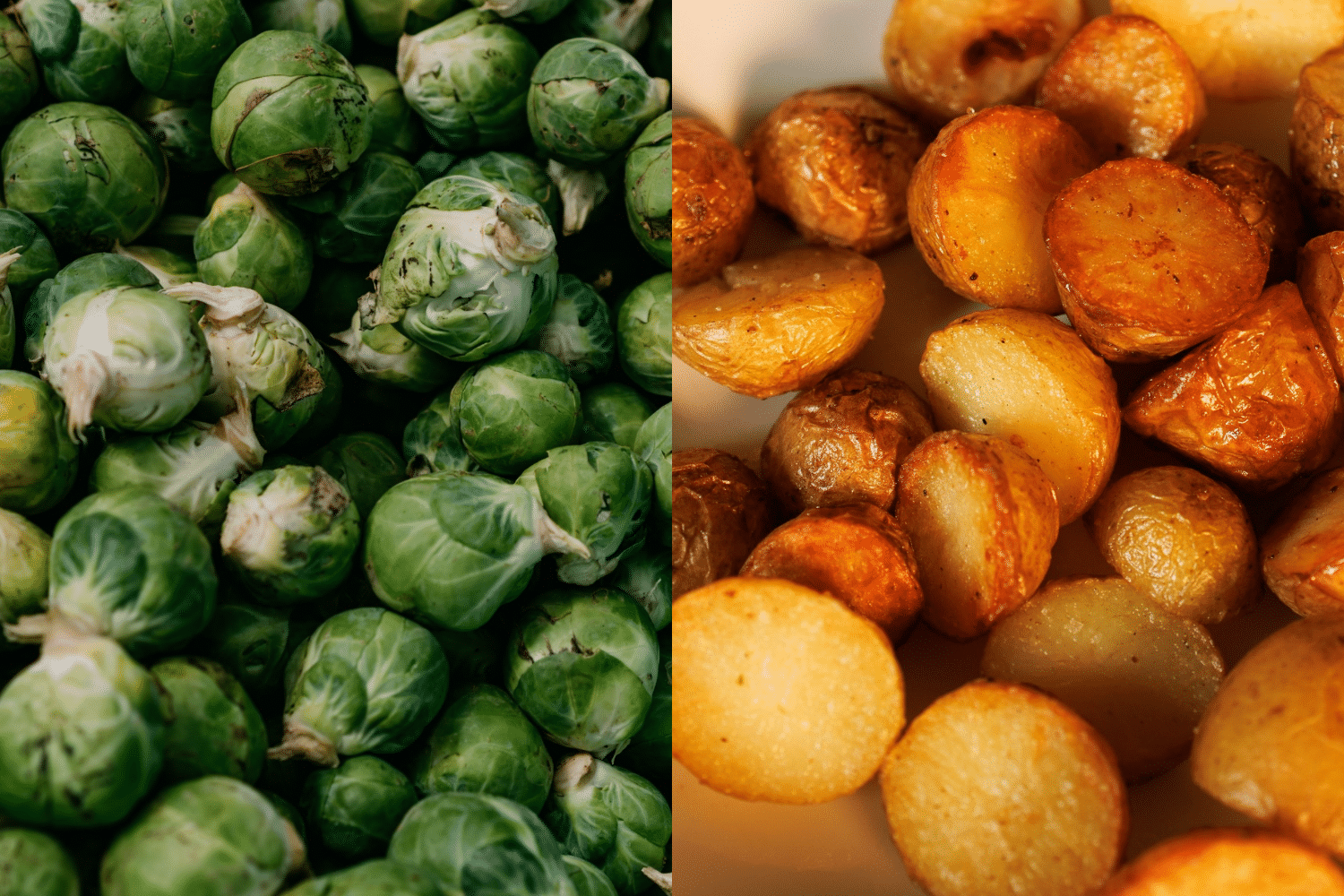
From crispy roast potatoes to honey-glazed parsnips and the much-debated Brussels sprout, British farmers play an enormous role in bringing Christmas dinner to our tables. But following a summer of extreme heat and drought, could our festive vegetables look a little different this year?
As many of us begin planning our Christmas shopping lists, farmers across the country have been working for months to ensure our favourite festive vegetables are ready for the big day.
While the long, hot summer of 2026 may have been welcomed by holidaymakers, it presented significant challenges for British vegetable growers. Extreme temperatures, limited rainfall and increasing production costs have made growing some of our Christmas favourites particularly difficult. So, what might we notice when we head to the supermarket this December?
Will our Brussels sprouts be smaller this Christmas?
Love them or loathe them, Brussels sprouts are a staple of the traditional British Christmas dinner.
Although we associate sprouts with cold winter days, much of the work involved in growing them takes place during the warmer months. The plants need sufficient water to establish themselves and develop healthy stems and leaves before producing the sprouts we eventually eat.
Prolonged periods of hot, dry weather can restrict plant growth and increase pressure from certain pests, potentially resulting in smaller sprouts and reduced harvests.
In its November 2026 market report, fresh produce supplier FoodPoint predicted smaller sprouts this Christmas. However, there are encouraging signs! Freshview Foods’ November crop report suggests that cooler autumn nights have benefited the crop, with sprouts continuing to increase in size throughout November.
The picture varies between farms, depending on location, access to water and local growing conditions. Smaller sprouts may feature on some Christmas dinner plates, but that doesn’t necessarily mean we will see a nationwide shortage, hooray!
The same goes for other vegetables, such as Cauliflowers, as explianed by Cambridgeshire peony farmer David Wheatley:
Carrots and parsnips: a challenging year beneath the soil
While we might notice the effects of drought above ground, much of the impact on carrots and parsnips happens beneath our feet. These root vegetables require sufficient and relatively consistent soil moisture to develop. Extreme heat can slow growth, while fluctuating moisture levels can contribute to splitting and irregular shapes.
For British carrot growers, this year’s conditions have been particularly challenging. Speaking to Farmers Guide in October, Guy Poskitt, managing director of North Yorkshire based M H Poskitt Ltd, anticipated a reduction in carrot yields of between 15% and 20%.
“The water usage was massive, but the main problem was that the crop wouldn’t grow over 25 degrees. This combination significantly impacted the yields.” Said Mr Poskitt.
Yorkshire carrot grower Rodger Hobson described the difficult growing season as:
“It’s heartbreaking and wallet-breaking.”
Speaking to The Guardian in August, he highlighted the difficulties of keeping crops alive during prolonged periods of extreme heat. There is some good news for Christmas shoppers, however. Recent produce market reports from United Fresh suggest that supplies of several British carrot varieties and parsnips are looking promising heading into December.
What about our beloved roast potatoes?
For many of us, Christmas dinner simply wouldn’t be complete without a generous helping of crispy roast potatoes! Potatoes are particularly sensitive to shortages of water during the growing season, especially when the tubers are developing beneath the soil.
The combination of extreme heat and drought this summer has affected potato production, particularly in parts of eastern England where growers have had limited access to irrigation. According to Farmers Weekly, the UK also planted around 5–7% fewer hectares of potatoes this year, putting further pressure on overall production.
Unlike some vegetables, potatoes can be harvested in autumn and kept in carefully controlled storage facilities, enabling British farmers to supply consumers throughout the winter and beyond. Although there may be more variation in potato sizes and some pressure on prices, smaller potatoes can still make excellent roasties.
The hidden cost of keeping our vegetables growing
When rainfall is limited, many vegetable growers rely on irrigation – the controlled application of water to crops – to keep their plants growing. But irrigation comes at a cost.
Water needs to be sourced, stored and distributed across fields. Pumps, pipes, machinery, fuel and labour are all required, and during prolonged dry periods, these costs can quickly add up.
Speaking to The Grocer in November, Rodger Hobson, chairman of the British Carrot Growers Association, explained:
“Carrot and parsnip growers have had to apply much more water than budgeted to counter the extreme drought and heatwaves last summer.”
For growers concerned about future growing seasons, investing in on-farm reservoirs is one potential solution. These allow farmers to collect water when it is more readily available and use it during drier periods. However, building and maintaining this infrastructure requires considerable investment.
It’s a side of food production that we rarely see when picking up a bag of carrots from the supermarket shelf.
Celebrating the farmers behind our festive feast
Christmas dinner is the culmination of months of planning, growing and hard work by farmers and food producers across the country. This year’s challenging weather is a reminder of just how dependent food production is on the natural environment, and how much work goes into adapting when conditions don’t go to plan.
So, whether your sprouts are a little smaller, your carrots a little wonkier or your roast potatoes slightly different in size, there’s still plenty to celebrate. As we tuck into our Christmas dinners this year, let’s spare a thought for the people who helped make them possible. From field to festive feast, there’s a story behind every ingredient on our Christmas dinner plates.